


Brand & Publishing Portfolio
Independent news operations, civic transparency initiatives, and regional heritage archiving.
Marlborough Digital Record
The Marlborough Digital Record serves as an online regional journal, where community news, notices, and key milestones are digitally archived.
The Digital RecordOpenMDC
A Marlborough-focused civic tracking platform that records councillor voting histories while advocating for greater public engagement in local politics.
The Voting ArchivesTracing Marlborough
An open-access digital heritage resource and community archive documenting the people, places, and events that shaped Marlborough.
The Heritage ProjectIndependence & Editorial Standards
Clear publishing standards rooted in open regional reporting.
Editorial Autonomy & Free Speech Principles
Goodwin & Associates maintains complete financial autonomy and structural independence. Operations remain free from state funding, government grants, and traditional media subsidies. This self-supporting model keeps content free from funding criteria that has historically required adherence to fixed positions on contested ideas.
Healthy public discourse requires a willingness to share, consider, and debate diverse views. Opinion pieces and contributions are welcomed from across the philosophical and political spectrum, ensuring the views and sentiments expressed in media reflect the true pulse of the region and wider society. Factual accuracy, balance, and a fair right of reply form the foundation of editorial integrity.
Where content is lawful, it should be published without religious, political, or ideological suppression.
Director's Profile
Frontline experience. Informed regional commentary.
Aaron Goodwin | Director
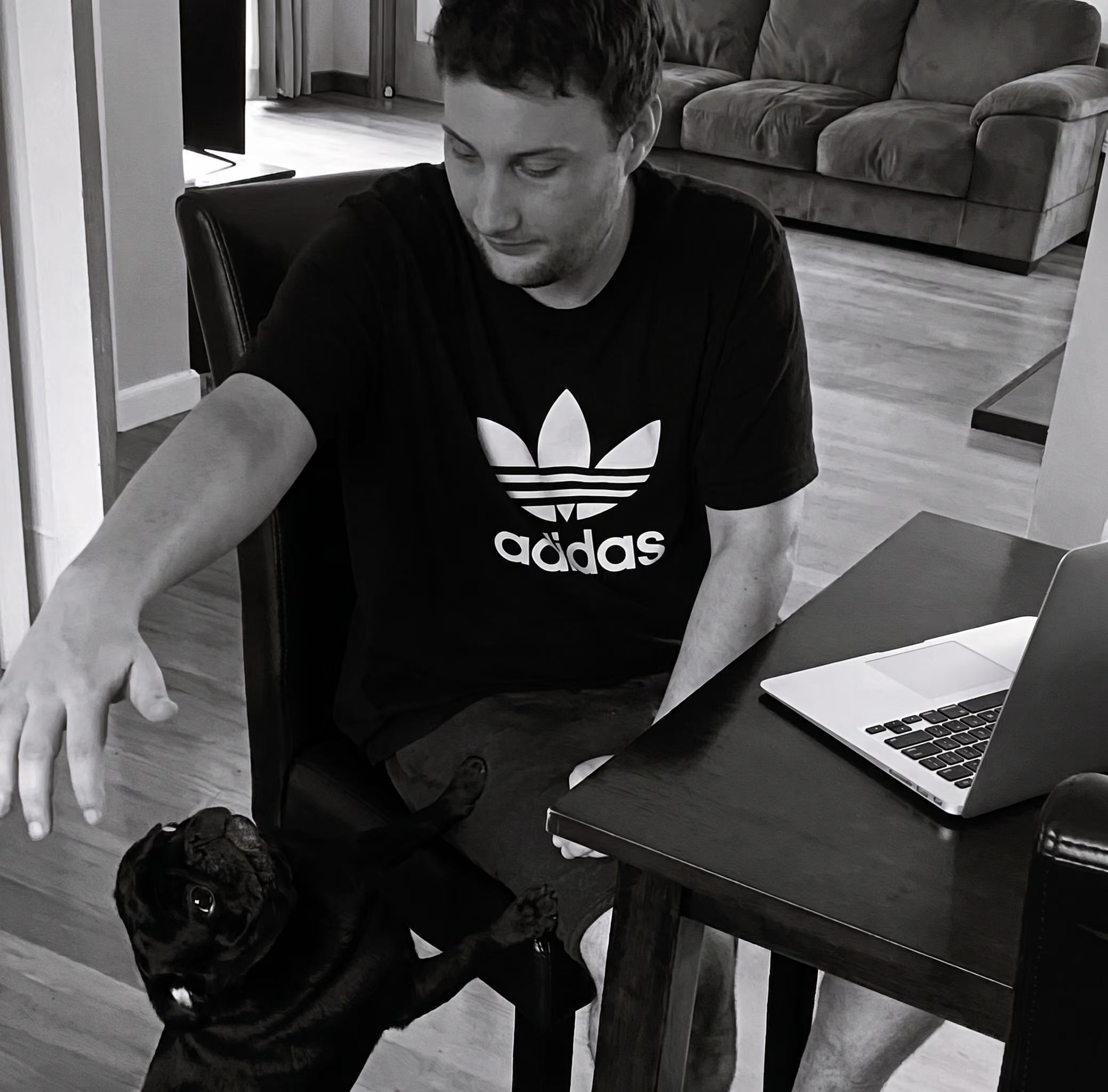
Diverse personal, working, and overall life experiences expand the pool of inspiration and insight required for informed public commentary. Born into a working-class Blenheim family in 1992, my immediate post-schooling years were a mix of viticulture labouring, commercial cleaning, and living on youth welfare support. Time spent in Porirua's Cannons Creek and inner-city Auckland showed me the realities of urban hardship and neighbourhood gang violence. Later, living on a farm and spending time in rural communities across South Otago, such as in Milton and Clutha, gave me an up-close look at pressures faced by dairy farmers. These include increasing compliance costs and levies, dairy price fluctuations, and the exploitation and homesickness faced by migrant farmhands.
In my late twenties, a brush with late-diagnosed viral myocarditis while living in Christchurch exposed me directly to the strain on public hospitals and taught me why patients must often advocate for themselves. There's never a good time to have a health setback, but being just a few weeks into a new security role added pressure to get back on my feet. I recovered, and from 2021-2025, I worked security across Christchurch and Blenheim for both Simply Security and First Security. That work put me on the ground managing retail crime, supporting District Court staff, and assisting with site entry at Base Woodbourne. Seeing local businesses absorb rising insurance costs and thefts prompted me to incorporate a security business of my own.
However, as things started moving forward, I began to realise my passion was no longer for frontline operations.
I had witnessed so many things over the years (too many to list without turning the site into an autobiography), and I wanted a shift to telling people's stories rather than being in the thick of them. I had also spent so much time criticising media coverage of these events that people often remarked I should try to be the change in journalism that I wanted to see.
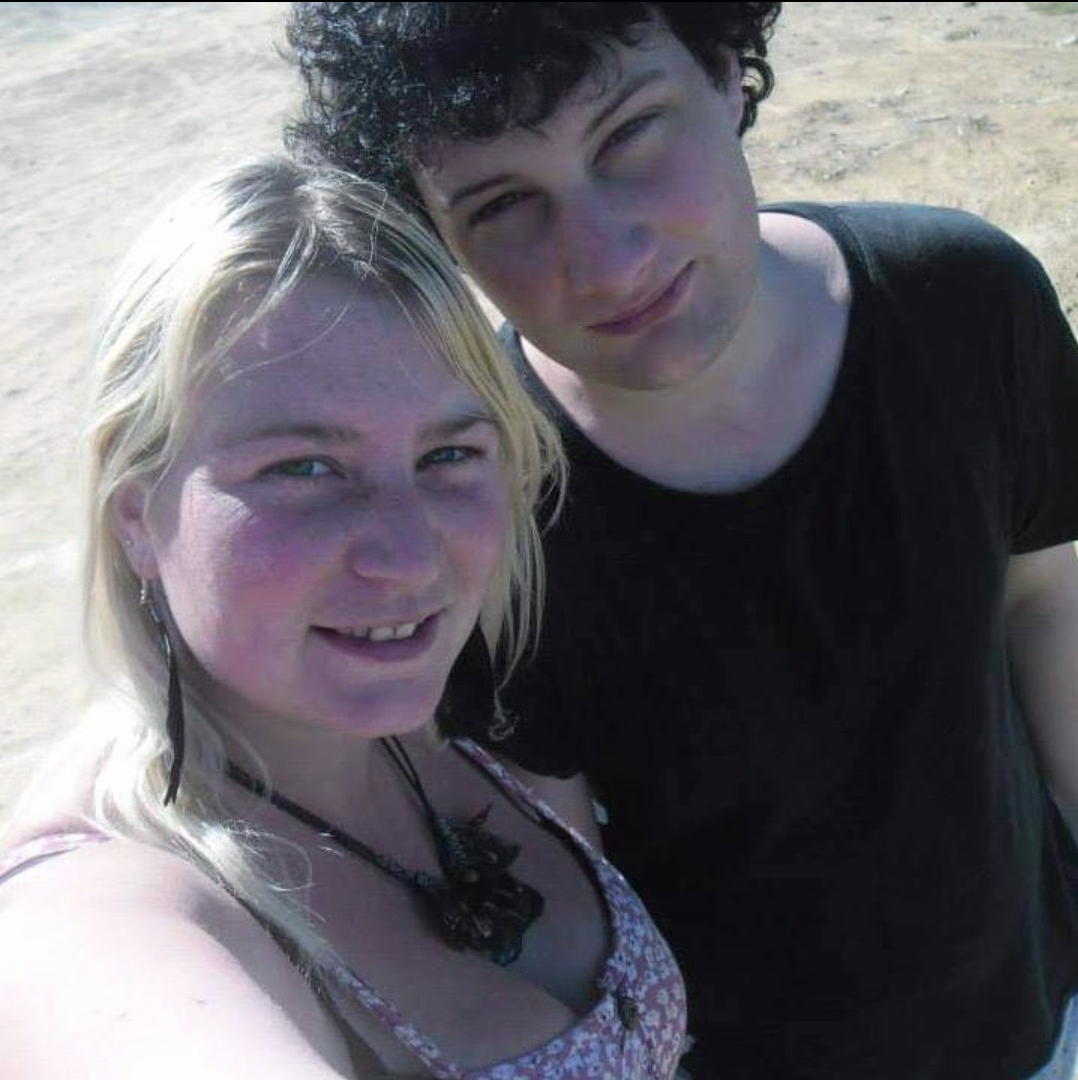
My understanding of media mechanics started early as a teenage Young Labour representative. I had ghost-written content for local and parliamentary political candidates, conducted social media outreach for a Member of Parliament, and a piece I had written in response to a government Budget was quoted and shared by a future Labour Party leader. At that point I was received well by legacy media editors and people in the 'blogosphere' - until the moment that my politics started to shift rightward. The overwhelming political bias of Western newsrooms - a bias confirmed by growing domestic and international research - quickly dispelled any illusions about a noble fourth estate interested only in the truth.
Later, acting as the family spokesperson following the homicide of my cousin, Jess Boyce, gave me an unvarnished look at media conduct and operations; specifically, selective framing, the intense pressure of round-the-clock contact, and rare instances of decency. While a standout Marlborough journalist from a smaller media entity treated Jess's case with genuine care and concern, national media struggled to see Jess as more than just a sensationalist headline.
Witnessing the impact of journalism firsthand, and having observed falling public trust in legacy mastheads and institutions over time, I felt the media sector was where I could hopefully drive some positive change.
I believe public commentary and civic scrutiny are most engaging when they reflect how decisions actually affect people on the ground. Understanding how local and central government, the justice system, quality healthcare, media framing, and a range of other issues impact everyday people is key to giving voice to our communities and telling the stories of Marlborough.
Communications & Enquiries
Direct contact for editorial submissions, community archive contributions, and general enquiries.